A typical measles rash, courtesy of the public health library, Centers for Disease Control and Prevention
It saddens us that we need to post about how to recognize measles, but the recent measles outbreaks in the United States force parents to be vigilant for a disease that was nearly eradicated in this country.
Both an increase in international travel and a decrease in parents vaccinating their kids is thought to be responsible for the increase in measles cases.
Wondering how to burp a baby? We decided that words just didn’t convey what to do. So we introduce baby Emma in her first, and our first, how-to-video.
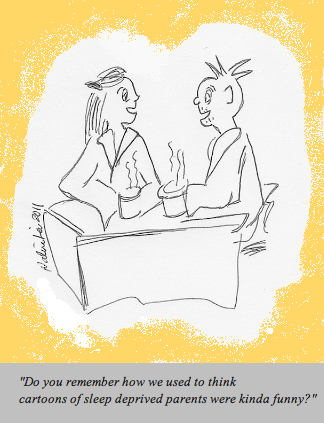
“I think we just hit the four month sleep regression. My baby used to sleep better, and now at four months, she is waking up every hour! What happened?”
Dr. Kardos’s fourth child wears her coat without fuss in cold weather.
Now that the weather has turned “freezy,” parents ask us how to dress their baby (and big kids) for cold weather. Even Dr. Kardos’s teenaged kids allow her to thrust winter coats on them as they head out to the bus stop. Wondering how to know if your baby, toddler, or older child are dressed correctly for the weather? Read our post on this topic.
In this busy, holiday time of year, you may find yourself dining out frequently with your toddler. Read our post to find hints on avoiding restaurant meltdowns without the use of an iPad or phone!
Some games are riskier than others and it’s hard for teens to tell the difference.
Remember playing “Truth or Dare” as a kid? Some of the dares were silly, some potentially embarrassing, but some were downright risky. Now our children are playing potentially dangerous games. How can you prevent your teen from taking unnecessary risks?
To understand why kids would play risky games such as the Cinnamon Challenge or the Laughing Game, let’s step into the mindset of a teenager. Don’t let their adult-like appearances deceive you. Based on what we know about teenage brain development, teens are more likely to misinterpret or mislead social cues and emotions and to engage in risky behavior. Even though your teens may be taller than you, their deductive reasoning skills are not fully developed until around 25 years old. They have difficulty thinking through long term plans.






 “I think we just hit the four month sleep regression. My baby used to sleep better, and now at four months, she is waking up every hour! What happened?”




 In this busy, holiday time of year, you may find yourself dining out frequently with your toddler.